
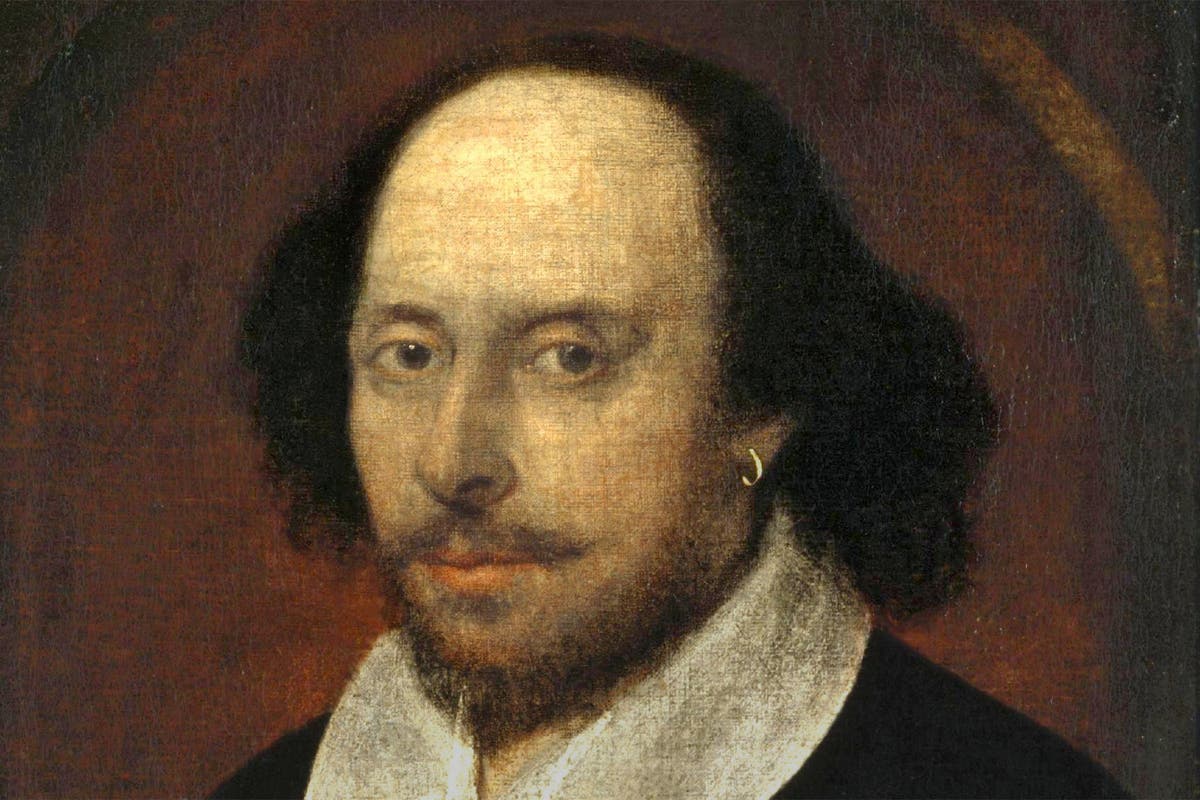
The Debate Over Shakespeare’s Legacy
The debate surrounding William Shakespeare and attempts to "modernize" his legacy have sparked heated discussions, illustrating a fundamental misunderstanding of the illustrious playwright's intrinsic artistic essence. Recently, British tabloids sensationalized with headlines like "WOKEO & JULIET," indicating a societal tension over proposed cautionary content disclosures at Shakespeare's Globe. These superficial attacks underscore a deeper, more entrenched discord regarding the handling of Shakespeare within educational frameworks.
Shift in Educational Institutions
Educational institutions have gradually experienced a shift toward revisiting Shakespeare's works through transformative lenses, challenging traditional interpretations. One educator notably advocated reshaping the literary classroom as a platform to critique and dismantle historical norms. The Shakespeare Birthplace Trust recently announced assertive steps towards "decolonizing" its museum archives in response to allegations that Shakespeare's oeuvre perpetuates "white dominance." Such steps, although controversial, are part of a larger narrative seeking renewal amidst cultural critiques and reflections on identity.
Escalating Controversies
The contestation surrounding Shakespeare has escalated into a charged standoff—pitched ideological battles pitting devoted traditionalists adamantly safeguarding their canon against progressive factions favoring reexamination and reinterpretation, led by voices like Helen Hopkins from Birmingham University. Such polarized confrontations, embroiled in divisive rhetoric, likely would have jolted the Bard himself into skeptical bemusement. Shakespeare, indifferent to contemporary literary accolades or awards, devoted his working hours intensely to managing performances and penning his scriptural (or sonnet-based) masterpieces.
Shakespeare's Historical Detachment
Curiously, Shakespeare exhibited minimal interest in proliferating print editions of his plays during much of his career, illustrating a casual detachment toward securing literary posterity. Stephen Greenblatt, notable Shakespeare scholar, humorously pointed out that Shakespeare seemingly recognized life's greater attractions than solely playwriting, suggesting an implicit but clear artistic boundary Shakespeare gingerly maintained.
Unparalleled Genius and Historical Interference
Nonetheless, Shakespeare stands unparalleled in literary and theatrical genius, a reality universally recognized by peer and rival Ben Jonson, and eagerly upheld by later poetic voices like Matthew Arnold, who lauded Shakespeare's transcendence of mere mortal inquiry. Still, despite perennial reverence, Shakespeare historically has undergone various periods of literary interference and tampering, mirroring today's controversies. Puritanical censorship in earlier centuries relegated him temporarily into obscurity, and even further bowdlerizations significantly altered original narratives to suit perceived societal standards.
Decolonization Debates and Opportunities for Renewal
This historical precedent underscores current debates around "decolonizing" Shakespeare not as unprecedented assaults but as another cyclical critique, albeit intensified and broadened by modern identity politics. Historical figures such as Nahum Tate and John Dryden also radically re-packaged Shakespeare's materials decades before, often with questionable results. Modern decolonizers, similarly but perhaps unintentionally, easily slip into a reductive mindset, unhelpfully limiting interpretative potentials solely through contemporary identity politics lenses. Yet, distinguished scholars like James Shapiro view current events optimistically, heralding the evolving dialogues as opportunities for meaningful renewal and cultural introspection.
Theatrical Innovations and International Appreciation
Indeed, theatrical institutions have already begun actively addressing these critiques, reimagining classic plays with diverse, inclusive casts. The renowned Donmar Warehouse’s 2024 production of Macbeth, featuring Cush Jumbo as Lady Macbeth, exemplifies proactive initiatives embracing diversity and universal accessibility. Moreover, Shakespeare continually enthralls international audiences across diverse cultures, suggesting any narrow-minded interpretations fail to fully capture his universal cultural significance.
Collaborative Historical Dialogue
Identity-driven critiques often overlook Shakespeare's profoundly international appreciation, particularly his esteem among culturally diverse, non-English-speaking global communities who celebrate precisely the Englishness his works historically represent. Such perspectives dangerously ignore the collaborative historical dialogue preserved across literary traditions—a timeless cultural exchange linking Shakespeare through influences ranging from Spenser and Marlowe to later luminaries like Milton, Pope, Keats, and Coleridge. Poet W.H. Auden notably evoked this vital artistic heritage in his assertion about exchanging creative insights with historical figures. Disrupting these dialogues threatens to deprive cultures of invaluable historical richness and artistic conversation, turning vibrant tradition into mere historical silence.
Misunderstanding Shakespeare’s Literary Identity
Arguably, the push toward ideological reinterpretation of Shakespeare fundamentally misunderstands his literary identity. Shakespeare's artistic genius emerged from an unfathomably introspective, free-thinking personality. Intrinsically evasive and deliberately ambiguous, he consciously distanced his artistry from any single political or identity-driven narrative, embracing rather the kaleidoscopic richness of human existence. His enduring creative independence embodied a uniquely English artistic ideal—exploratory, adventurous, open-minded yet resolutely apolitical.
Artistic Freedom Above Ideological Constraints
Shakespeare likely would find today's "decolonization" conversations puzzling, recognizing himself only as supremely faithful to an artistic independence built through creative exploration and dynamic ambiguity. He inherently understood and championed artistic freedom above all—unbound, unowned, and beholden to no ideological constraints.
Conclusion: Embracing Shakespeare’s Artistic Liberty
In summary, contemporary debates over Shakespearean reorientation seem to fundamentally misconstrue his essence as inherently independent and creatively unconstrained. Whether engaging in today’s polarized disputes or resisting revisionist constraints, Shakespeare’s artistic liberty highlights his unwavering allegiance solely to his own imaginative vision, free of reductive ideological frameworks. Thus, rather than further dividing along polarized interpretations, perhaps appreciating Shakespeare’s pluralistic openness and intrinsic artistic freedom offers a richer, more profound engagement with his enduring legacy.